

Ensuring Uninterrupted Operations with Critical Power Solutions
In today’s fast-paced world, uninterrupted power is essential for the smooth operation of commercial, industrial, educational, and emergency service facilities. Power outages can cause significant disruptions, financial losses, and safety risks. Reliable power systems are no longer optional; they are a necessity. This article explores how to ensure continuous operations through effective power management and advanced solutions.
Understanding the Importance of Uninterrupted Power Solutions
Uninterrupted power solutions are designed to maintain a steady flow of electricity during outages or fluctuations. These systems protect sensitive equipment, prevent data loss, and ensure safety in mission-critical environments. For property managers and facility operators, investing in these solutions means safeguarding operations and maintaining trust with occupants and clients.
Power interruptions can occur due to weather events, equipment failure, or grid instability. Without backup power, facilities risk downtime that can halt production, disrupt services, and compromise safety. Uninterrupted power solutions provide a buffer, allowing systems to continue running smoothly until normal power is restored.
Key Benefits of Uninterrupted Power Solutions
Continuous operation: Keeps essential systems running without interruption.
Equipment protection: Prevents damage caused by power surges or sudden outages.
Safety assurance: Maintains lighting, alarms, and emergency systems.
Data integrity: Protects IT infrastructure from data loss or corruption.
Cost savings: Reduces financial losses from downtime and equipment damage.
Components of Reliable Power Backup Systems
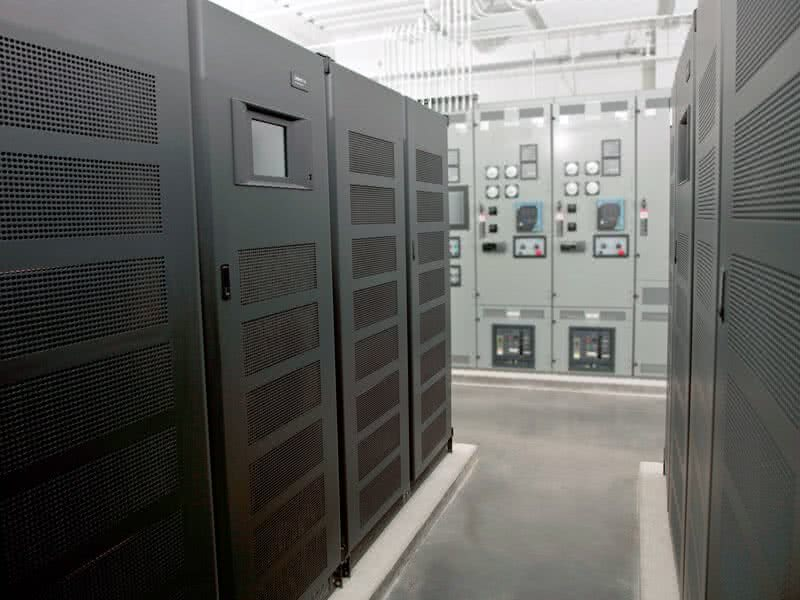
A robust power backup system includes several components working together to ensure uninterrupted power. Understanding these parts helps facility managers make informed decisions about their power infrastructure.
Uninterruptible Power Supply (UPS)
A UPS provides immediate backup power by using batteries to supply electricity during an outage. It bridges the gap between power loss and generator startup, protecting sensitive electronics from damage.
Generators
Generators supply power for extended outages. They run on fuel such as diesel or natural gas and can power entire buildings or specific critical systems. Regular maintenance is essential to ensure they start and operate reliably when needed.
Automatic Transfer Switch (ATS)
The ATS detects power loss and automatically switches the power source from the utility to the generator or UPS. This seamless transition prevents downtime and manual intervention.
Power Distribution Units (PDUs)
PDUs distribute power efficiently to various systems and equipment. They help manage load and prevent overloads, ensuring balanced power delivery.
Monitoring and Control Systems
Modern power solutions include monitoring tools that provide real-time data on power status, battery health, and generator performance. These systems alert facility managers to potential issues before they cause failures.
Implementing Effective Power Strategies for Facilities
To ensure uninterrupted operations, facilities must adopt a comprehensive power strategy tailored to their specific needs. This involves assessing power requirements, selecting appropriate equipment, and establishing maintenance protocols.
Conduct a Power Needs Assessment
Start by evaluating the critical systems that require backup power. Identify equipment that must remain operational during outages, such as emergency lighting, security systems, HVAC, and IT infrastructure. Calculate the total power load to determine the capacity needed for backup systems.
Choose the Right Backup Solutions
Select UPS units and generators that match the facility’s power demands. Consider factors such as runtime, fuel availability, and space constraints. For example, a hospital may require a large generator with extended runtime, while a commercial office might rely on smaller UPS units for IT equipment.
Develop a Maintenance Plan
Regular maintenance is crucial for reliable operation. Schedule routine inspections, battery replacements, fuel checks, and system tests. Document all maintenance activities to ensure compliance with safety standards and regulations.
Train Staff and Establish Protocols
Ensure that facility personnel understand how to operate and maintain power backup systems. Develop clear protocols for responding to power outages, including communication plans and emergency procedures.

The Role of Advanced Technologies in Power Reliability
Advancements in technology have improved the efficiency and reliability of power backup systems. Facilities can now leverage smart solutions to enhance their power infrastructure.
Remote Monitoring and Diagnostics
Remote monitoring systems allow facility managers to track power system performance from anywhere. These tools provide alerts for battery degradation, fuel levels, and system faults, enabling proactive maintenance.
Energy Storage Systems
Battery energy storage systems (BESS) offer clean, quiet, and efficient backup power. They can be integrated with renewable energy sources like solar panels to reduce fuel dependency and environmental impact.
Automated Load Management
Smart load management systems prioritize power distribution during outages. They ensure that the most critical systems receive power first, optimizing available resources.
Integration with Building Management Systems (BMS)
Integrating power backup with BMS allows centralized control and monitoring of all building systems. This integration improves response times and operational efficiency during power events.
Choosing a Trusted Partner for Power Solutions
Selecting the right provider for power backup solutions is vital. A trusted partner offers expertise, quality products, and reliable service to support mission-critical environments.
Experience and Expertise
Look for companies with a proven track record in serving commercial, industrial, and emergency service facilities. Experience with complex projects ensures they understand the unique challenges of critical power systems.
Comprehensive Services
A full-service provider offers design, installation, maintenance, and emergency support. This approach ensures seamless integration and ongoing reliability.
Commitment to Quality and Safety
Choose partners who prioritize safety standards and use high-quality equipment. Compliance with industry regulations protects facilities and occupants.
Local Support and Responsiveness
Local providers can offer faster response times and personalized service. This is especially important for urgent repairs and maintenance.
Electric Advantage, Inc. aims to be the top choice for electrical and life safety services in the National Capital Region. Their focus on mission-critical environments and reputation for reliable, high-quality solutions make them a valuable partner for complex projects.
For more information on critical power solutions, visit their website.
Preparing for the Future of Power Reliability
As power demands grow and technology evolves, facilities must stay ahead by adopting innovative solutions and best practices.
Invest in scalable systems: Choose backup solutions that can grow with your facility’s needs.
Embrace renewable energy: Integrate solar or wind power with battery storage to reduce costs and environmental impact.
Regularly review and update plans: Power needs and technologies change; keep your strategy current.
Train staff continuously: Ongoing education ensures readiness and effective response.
By prioritizing uninterrupted power solutions, facilities can protect their operations, enhance safety, and maintain business continuity in any situation.


Comments